LATEST NEWS
See what J & S Jetting have been up to in recent times...
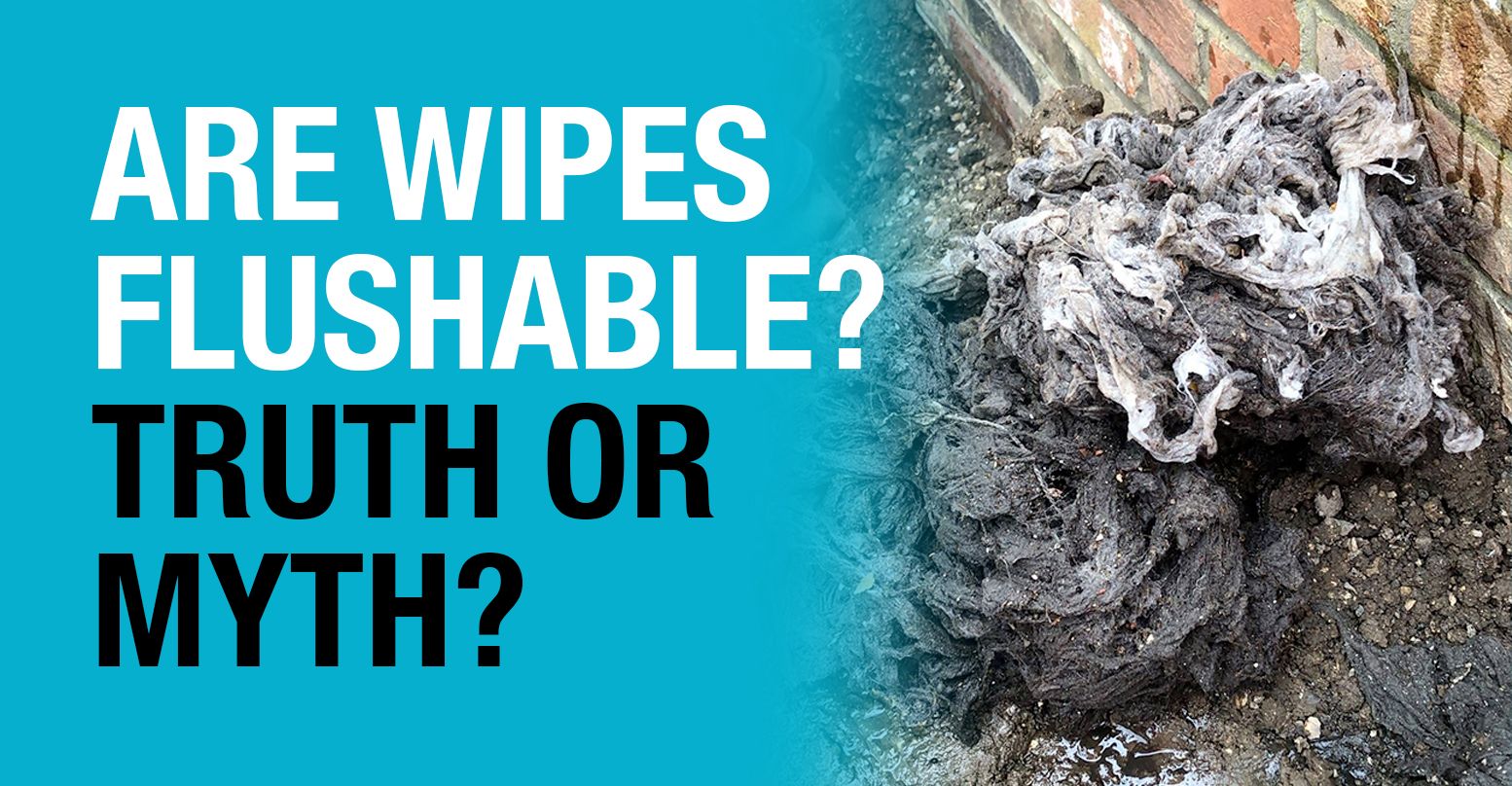
You’ve seen the packets — they proudly claim “flushable wipes.” The marketing makes it sound harmless: just pop it down the loo, and job done. But what actually happens once you press that flush button? Do these wipes really vanish into thin air, or are they quietly wreaking havoc? We’ve seen first-hand what those “flushable” promises can lead to and trust us, it’s not pretty. Flushable: Truth, or myth? The idea that wipes are harmless is one of the biggest myths in modern plumbing. Many people assume that if something can make its way down the toilet, it’s fine to flush. The problem? “Flushable” doesn’t mean “biodegradable.” In reality, wipes don’t disintegrate the way toilet paper does. While toilet paper starts breaking down almost immediately in water, most wipes remain intact for days — sometimes even weeks. They’re tough, durable, and designed to hold together when wet….... which is exactly what makes them disastrous for drains. WHAT ACTUALLY HAPPENS WHEN YOU FLUSH WIPES? When you flush a wipe, it doesn’t simply disappear. It travels through your pipes, often catching on bends, joints, or rough surfaces. One wipe might not seem like much, but over time, they start to clump together. Add in some grease, fat, and other debris, and you’ve got the perfect recipe for a blockage. Before long, you’re dealing with slow-draining sinks, unpleasant smells, or even a full-blown backup. In one particularly bad case, we removed what could only be described as a “wipe boulder." Over three kilograms of compacted wipes blocking a single household drain. The customer couldn’t believe that something so small and innocent-looking could cause that much chaos. Unfortunately, these blockages don’t just happen at home. Across the UK, wipes are responsible for an estimated 93% of sewer blockages, costing water companies over £100 million every year to clear. And when the sewers back up, that mess often ends up flooding streets, gardens, and even homes.

In business, collaboration can mean many things. For J&S Jetting, It's about partnership, trust, and working together toward shared success.
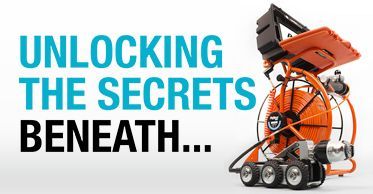
Our engineers are fully trained and equipped in each of the different services we offer. One of these services is CCTV Surveying, investigating what lies beneath
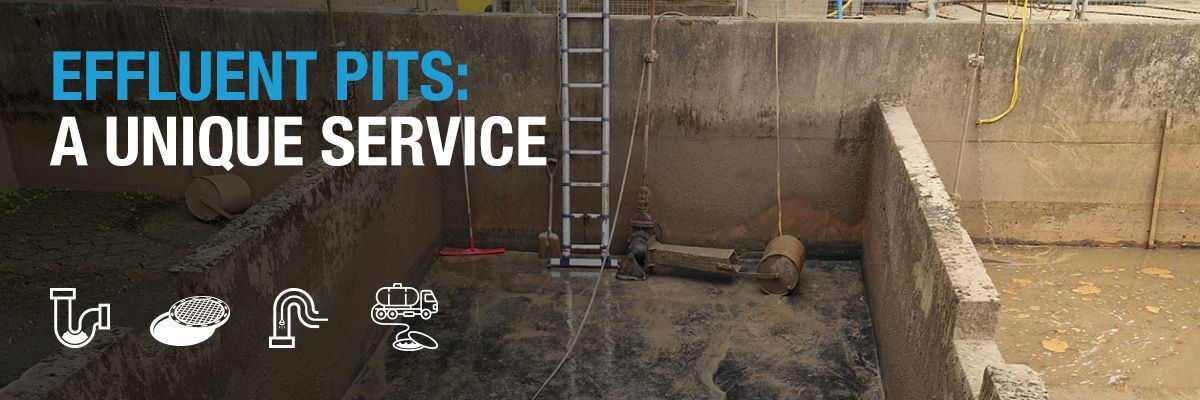
Effluent pits are an essential part of industrial wastewater management systems. They act as collection points for liquid waste, capturing effluent sludge and debris before it enters treatment processes or exits the site.
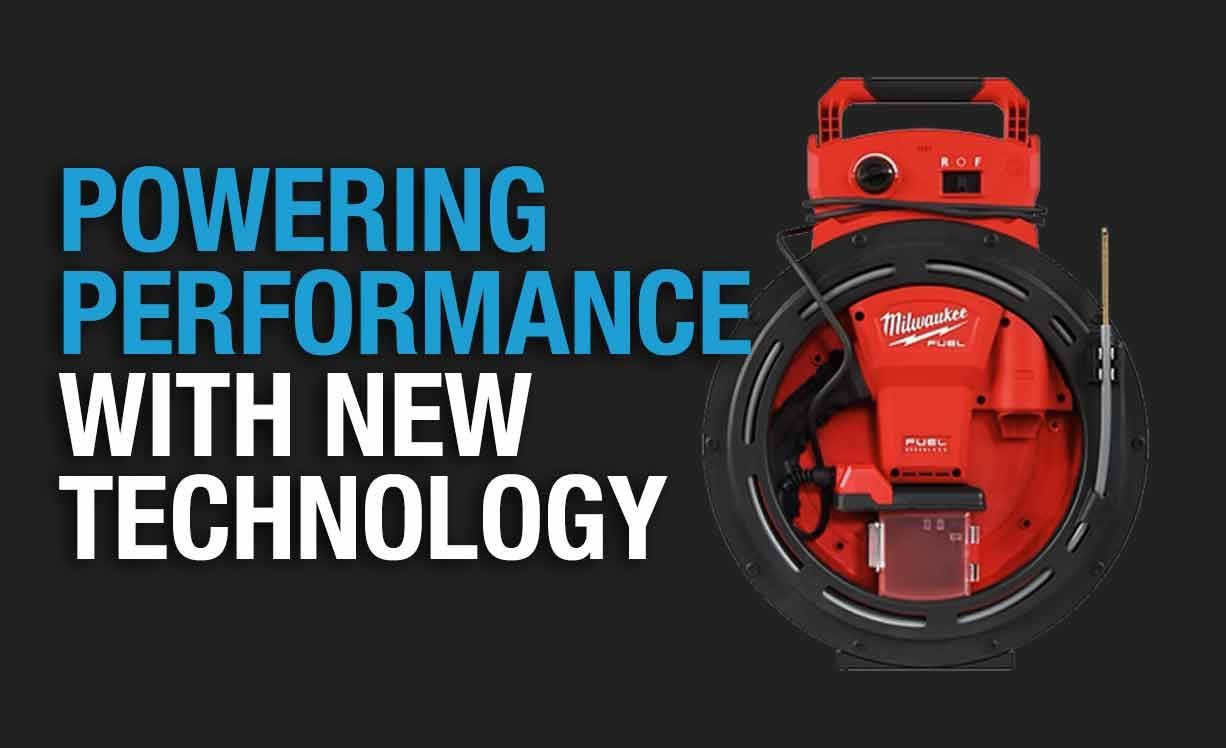
J & S Jetting continuously invest in tools, technology, and people to enhance the services we provide. The latest addition is the Milwaukee M12HSFSM Highspeed Drain Cleaner.

Preserving the Past, Sustaining the Future: J & S Jetting Supports English Heritage Sites Across East Anglia with Septic Tank emptying service
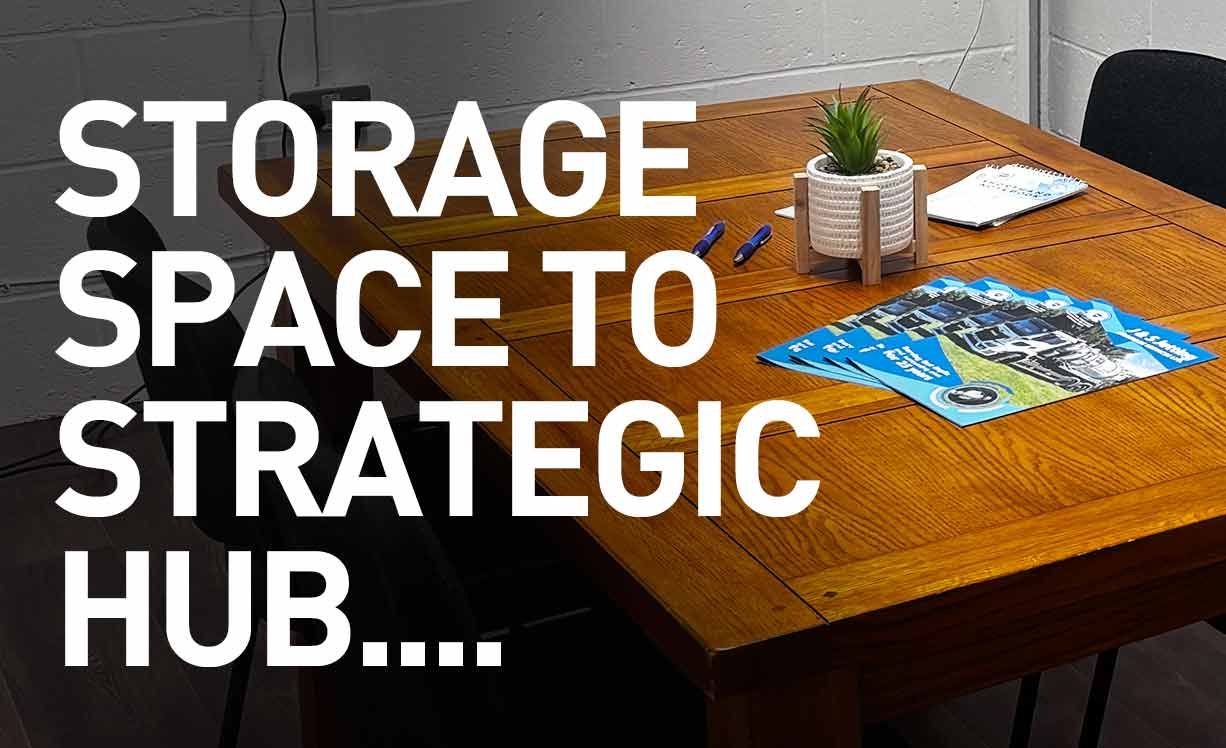
As part of our commitment to continual improvement, we recently undertook an in-house project to convert an underused storage room into a modern, functional space.

Investing in the Future: Meet Apprentice Ryan Stoneman
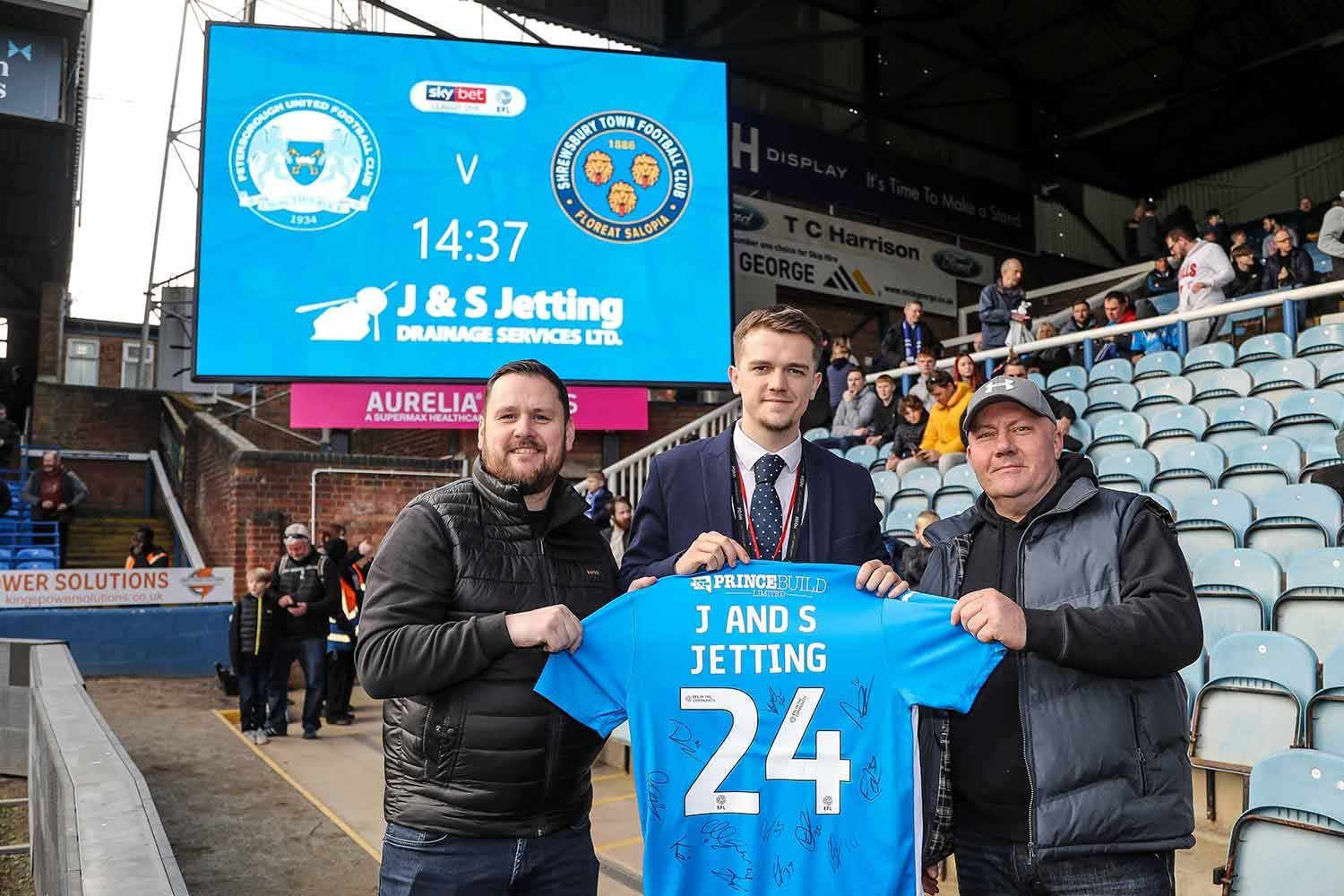
J & S Jetting have a long association with Peterborough United FC and currently withhold the status of official Scoreboard Sponsor.